Yes, Tally is still worth learning in 2026, especially if you're a commerce student. It remains the default accounting software for a huge number of Indian businesses, and GST made it more relevant, not less. But there's a condition: learning Tally by itself is no longer enough. The value comes when you pair it with GST, Excel, and real practice.
Is Tally Worth Learning in 2026? (Quick Answer)
For most commerce students, yes. When people ask "is Tally worth learning in 2026," they're really asking whether newer tools have made it outdated. They haven't. Millions of shops, firms, and companies across India still run their books, billing, and GST in Tally Prime. That installed base means steady demand for people who can operate it well. The catch is that employers now expect Tally plus a few supporting skills, not Tally on its own.
Tally in 2026: The Honest Pros and Cons
| Factor | Why It's a Plus | The Honest Catch |
|---|---|---|
| Demand | Used by most Indian SMEs and CA firms | Basic operators are common — you need an edge |
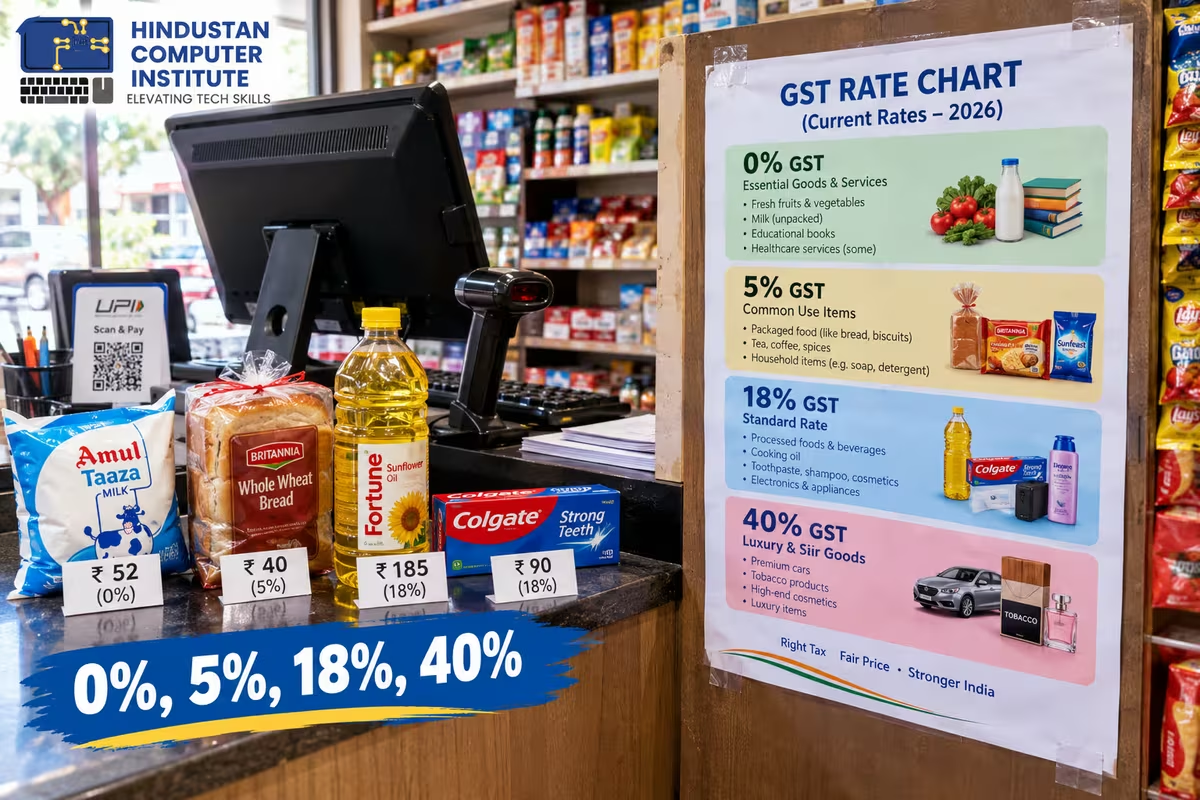
| GST relevance | Tally handles GST, TDS, e-invoicing | You must actually know GST rules, not just clicks |
| Learning curve | Beginner-friendly, quick to start | Easy to stay shallow if you skip real practice |
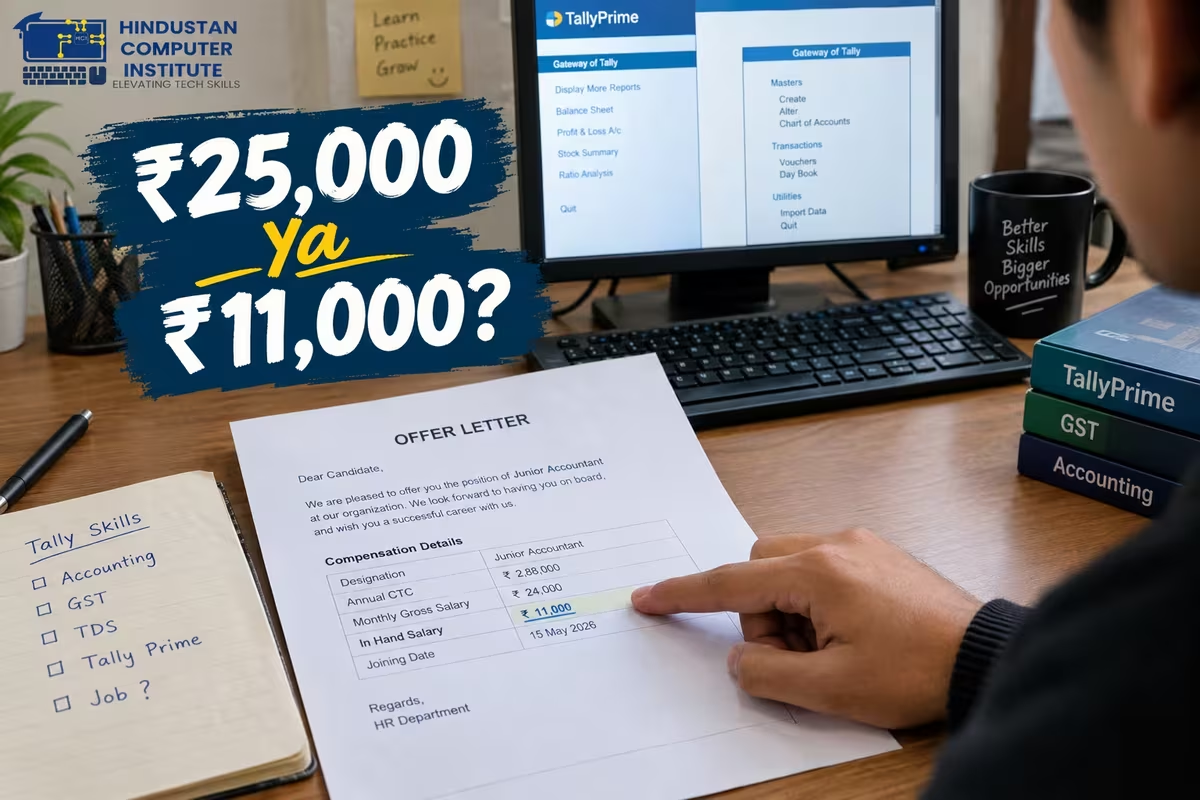
| Salary | Grows with added skills | Tally alone starts modest (₹12k–₹18k) [uncertain] |
| Job spread | Works in almost every industry | Competition is high at entry level |
Why Tally Still Matters for Commerce Students
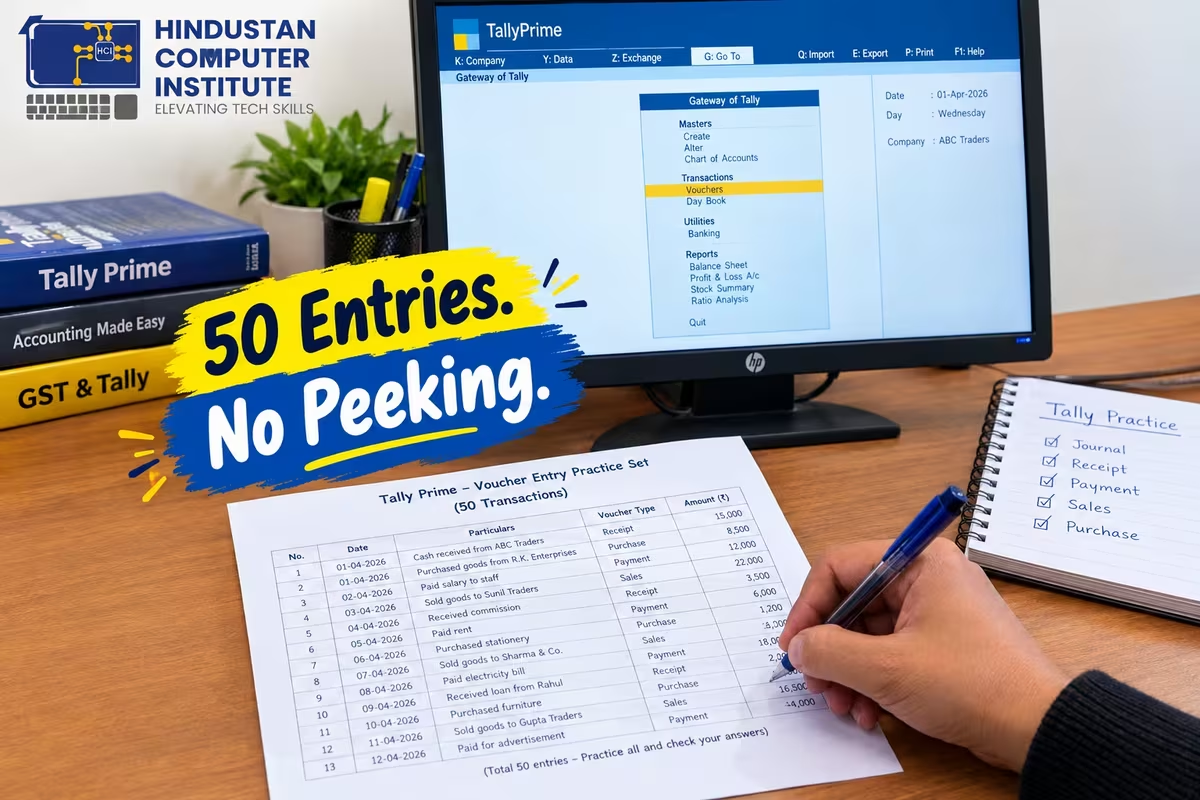
Here's the part that gets overlooked. For a B.Com or 12th-commerce student, Tally is the bridge between what you study in theory and what a job actually needs. You learn debit and credit in class; Tally shows you what that looks like in a live ledger. In our accounting batches, commerce students often say the concepts finally "click" once they enter real vouchers in Tally Prime 4.0. And because Tally is used everywhere from local kirana wholesalers to registered companies, the skill travels with you across cities and industries. Cloud tools and newer ERPs exist, sure, but they haven't displaced Tally in the small and mid-size businesses where most freshers get hired. If you want the complete accounting stack, our ADFA program teaches Tally alongside GST, Marg ERP, TDS, and e-invoicing.
What to Pair with Tally to Make It Worth It
Tally becomes genuinely worth it when you stack the right skills on top. Learn GST return filing so you can handle a real client's compliance, not just pass entries. Get comfortable with MS Excel for reports and reconciliations, since almost every accounting job expects it. Add basic TDS and payroll knowledge, and you move from "data entry" to "accountant." Starting salaries for a plain Tally operator often sit around ₹12,000–₹18,000 per month, but candidates who bring GST plus Excel routinely negotiate higher and get promoted faster. The software is the tool; your surrounding knowledge is what employers actually pay for.
Why Learn Tally at Hindustan Computer Institute?
Hindustan Computer Institute is a Tally Authorized Training Partner and ISO 9001:2015 certified, so you learn Tally the way businesses use it, with current GST rules and real practice sets. Our trainer Mamta Vaid focuses on Tally Prime, GST, and payroll, and students get lab time plus placement support. We run offline and online batches across J&K, and with 2,500+ students trained, the goal is simple: make Tally worth it for you by teaching the full skill set employers want, not just the software menus.
Conclusion
Tally is still worth learning in 2026 because the businesses that hire freshers still run on it, and GST keeps it central to Indian accounting. Just don't stop at the software. Pair Tally with GST and Excel, get real practice, and it becomes one of the most job-ready skills a commerce student can have. Thinking about starting? Call or visit your nearest HCI center, or book a free counselling session to plan your accounting path.